



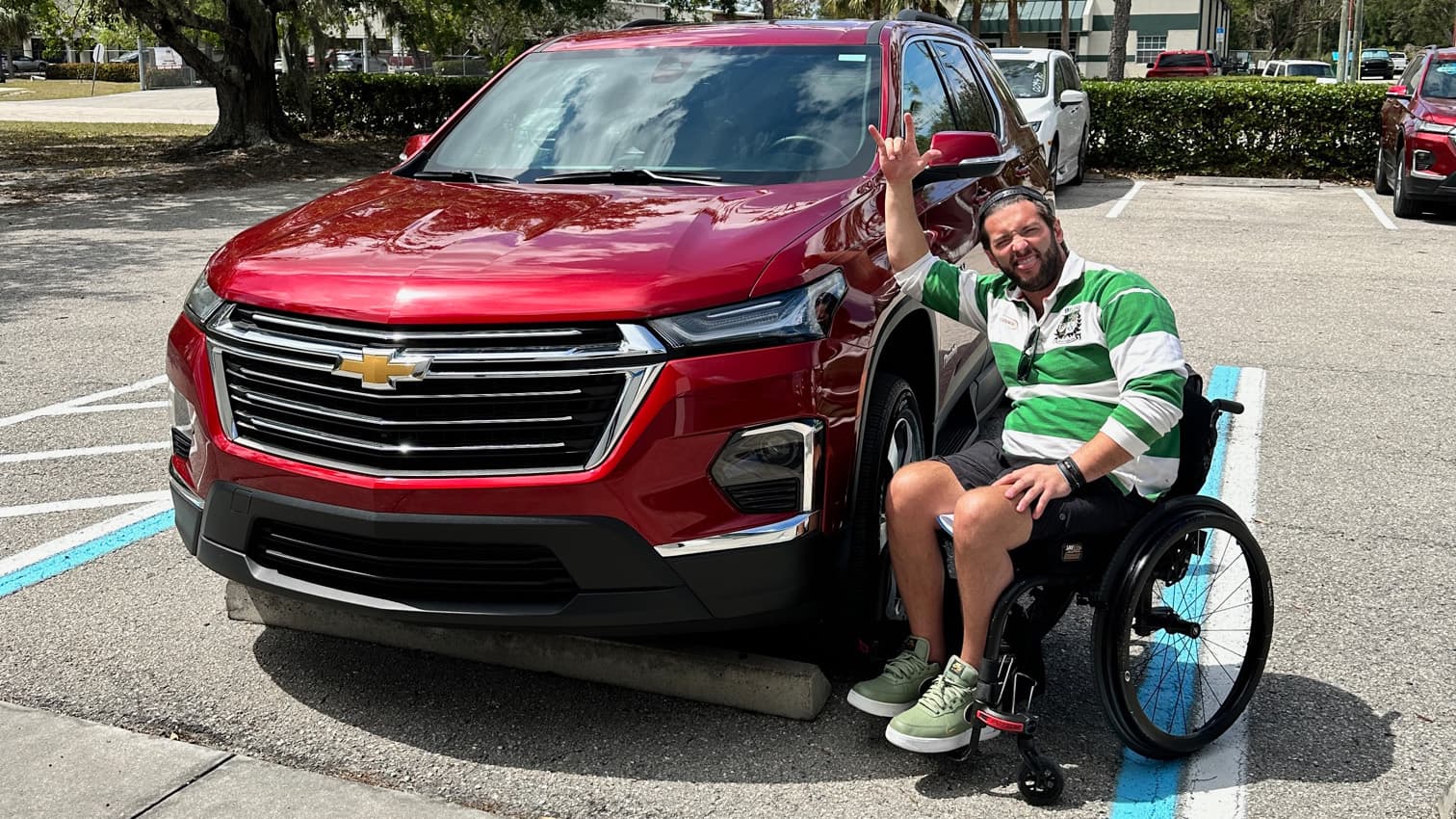
The pace of innovation within the spinal cord injury (SCI) community continues to accelerate. Advances in adaptive equipment, rehabilitation technology, and mobility solutions are expanding what is possible for people living with spinal cord injuries. From advanced wheelchairs and exoskeletons to emerging rehabilitation technologies, innovations that once seemed years away are becoming increasingly available.
Yet as new technology reaches the market, a parallel challenge keeps growing: helping individuals and families understand how to access and afford these advancements.
Ask anyone who has been through it. The equipment gets recommended in a clinic appointment. Insurance covers part of it, or none of it. And then the search begins - a search that can stretch across months, with no map, no clear starting point, and no way to know whether the money you need has been sitting in a program you never heard of the entire time.
Innovation Is Outpacing Access
According to the founders of NeuroBridge Solutions, innovation alone is only part of the equation. While adaptive technology advances, the systems meant to connect people with it have struggled to keep pace. As co-founder Kortlund Natterstad puts it, “The products are arriving faster than the systems designed to help people access them.”
That disconnect between technological progress, and financial accessibility is exactly what NeuroBridge Solutions was created to address. The company is built on a simple belief: many funding opportunities already exist, but finding and navigating them remains a major hurdle for individuals, families, and healthcare professionals.
How Funding Finder Helps
Funding Finder was designed with that challenge in mind. Rather than one more list to scroll, it matches a person to funding sources based on their injury level, insurance, location, and the equipment they need - and then stays with them through applying, not just finding.
The platform is currently in early access with its first group of users, with broader availability to follow.
The company’s goal isn’t to replace existing funding resources, but to make it easier for individuals, healthcare professionals, and caregivers to connect with the opportunities that already exist.
The Barriers That Remain
With every advancement come new questions about insurance coverage, eligibility, and available funding. Insurance limitations, fragmented funding systems, and the sheer time required to identify resources can make an already difficult process even harder. In many cases, funding exists - but the people who could benefit never learn it is available.
NeuroBridge Solutions believes technology can help bridge that gap by making funding information easier to organize, search, and access.
A Platform Shaped by the Community
Looking ahead, the founders believe the future of Funding Finder will be shaped not only by advances in technology, but by the people it is designed to serve. Rather than a finished product, they see it as a resource that will evolve alongside the changing needs of the spinal cord injury community.
That vision extends beyond the company itself. Kortlund and Natalia Natterstad hope to keep learning from a wide range of voices - clinicians, researchers, adaptive athletes, advocacy organizations, nonprofits, startups, caregivers, and individuals living with spinal cord injuries - to help guide the platform’s development.
THE FIRST 50
Before opening more widely, NeuroBridge is running an informal study with the first 50 people on the Funding Finder waitlist. It measures something no one has published: how long it actually takes a person with a spinal cord injury to find, apply for, and receive funding for the equipment they need. What those 50 report will shape the platform – and give the SCI community its first real baseline for a wait everyone knows about but no one has measured.
The founders also don’t see the work ending with SCI. The same barrier - funding that exists but never reaches the person who needs it - shows up across neurological conditions, and they intend to extend the same tools to those communities. SCI is where it starts because it’s where they’ve lived it.
Get Involved
Whether those conversations lead to better funding navigation, greater access to adaptive technology, or entirely new ideas for supporting people living with spinal cord injuries, NeuroBridge Solutions believes meaningful innovation begins by listening to the community it serves.
To learn more about NeuroBridge Solutions or share your ideas, visit their website and complete an inquiry form www.neurobridgesolutions.net.