---
title: "Temporary Paralysis: Causes, Symptoms & Recovery Outlook"
description: Learn what causes temporary paralysis, from sudden leg weakness to nerve compression. Discover symptoms, recovery outlook, & trusted resources for support.
image: https://www.spinalcord.com/hubfs/Blog-Images/What-Causes-Temporary-Paralysis-min.jpg
---
[  ](https://www.spinalcord.com/)
MENU **

**
[
The Purpose Behind Spinalcord.com
** Play
Dale Swope's Story
](https://www.youtube.com/watch?v=C1kPXDw_CQU) [For Advice Call:
(877) 336-7192
](tel:8773367192) 
- [About](https://www.spinalcord.com/about-us)
- [About Us](https://www.spinalcord.com/about-us)
- [Our Team](https://www.spinalcord.com/our-team)
- [Trusted By](https://www.spinalcord.com/trusted-by)
- [Journal](https://www.spinalcord.com/blog)
- [Spinal Cord Injury](https://www.spinalcord.com/spinal-cord-injury)
- Spinal Injury Types
- [What is Spinal Cord?](https://www.spinalcord.com/what-is-the-spinal-cord)
- [Types of Spinal Cord Injuries](https://www.spinalcord.com/types-of-spinal-cord-injuries)
- [Secondary Complications](https://www.spinalcord.com/secondary-complications-after-sci-spinal-cord-injury)
- [Cervical Spine](https://www.spinalcord.com/cervical-spinal-cord-injury)
- [Thoracic Spine](https://www.spinalcord.com/thoracic-spinal-cord-injury)
- [Lumbar Spine](https://www.spinalcord.com/lumbar-l1-l5-vertebrae-spinal-cord-injury)
- [Sacral Spine](https://www.spinalcord.com/sacral-spine-s1-s5-vertebrae-injuries-sacral-sparing)
- Paralysis Types
- [Paralysis](https://www.spinalcord.com/paralysis)
- [Types of Paralysis](https://www.spinalcord.com/types-of-paralysis)
- [Monoplegia](https://www.spinalcord.com/monoplegia)
- [Diplegia](https://www.spinalcord.com/diplegia)
- [Hemiplegia](https://www.spinalcord.com/hemiplegia)
- [Paraplegia](https://www.spinalcord.com/paraplegia)
- [Quadriplegia | Tetraplegia](https://www.spinalcord.com/quadriplegia-tetraplegia)
- Additional Info
- [Spinal Cord Injury Lawyer](https://www.spinalcord.com/spinal-cord-injury-lawyer)
- [Causes](https://www.spinalcord.com/causes-of-non-traumatic-traumatic-spinal-cord-injuries)
- [Symptoms](https://www.spinalcord.com/signs-symptoms-of-spinal-cord-injuries)
- [Prognosis](https://www.spinalcord.com/prognosis-of-spinal-cord-injuries)
- [Mental Health Care After SCI](https://www.spinalcord.com/mental-health-care-after-sci)
- [Life After SCI](https://www.spinalcord.com/life-after-a-spinal-cord-injury)
- [Resources for Veterans](https://www.spinalcord.com/blog/topic/veterans)
- [Brain Injury](https://www.spinalcord.com/traumatic-brain-injury-acquired-brain-injury)
- Brain Injury Types
- [Traumatic Brain Injury](https://www.spinalcord.com/traumatic-brain-injury)
- [ Acquired Brain Injury](https://www.spinalcord.com/acquired-brain-injury)
- [Anoxic Brain Injury](https://www.spinalcord.com/anoxic-brain-injury)
- [Diffuse Axonal Brain Injury](https://www.spinalcord.com/diffuse-axonal-brain-injury)
- [ Focal Brain Injury](https://www.spinalcord.com/focal-brain-injury)
- [ Subdural Hematoma](https://www.spinalcord.com/subdural-hematoma)
- [ Concussion](https://www.spinalcord.com/concussion)
- [ Brain Aneurysm](https://www.spinalcord.com/brain-aneurysm)
- [ Coma](https://www.spinalcord.com/coma)
- Lobes of the Brain
- [ Brain Lobes Overview](https://www.spinalcord.com/lobes-of-the-brain)
- [ Frontal Lobe](https://www.spinalcord.com/frontal-lobe)
- [ Parietal Lobe](https://www.spinalcord.com/parietal-lobe)
- [ Occipital Lobe](https://www.spinalcord.com/occipital-lobe)
- [ Temporal Lobe](https://www.spinalcord.com/temporal-lobe)
- [ Limbic Lobe](https://www.spinalcord.com/limbic-lobe)
- [ Insular Cortex](https://www.spinalcord.com/insular-cortex)
- Additional Info
- [Brain Injury Treatment](https://www.spinalcord.com/brain-injury-treatment/brain-injury-lab)
- [ Brain Injury Lawyer](https://www.spinalcord.com/brain-injury-lawyer)
- [ Causes](https://www.spinalcord.com/causes-of-traumatic-and-acquired-brain-injuries)
- [ Symptoms](https://www.spinalcord.com/traumatic-brain-injury-tbi-symptoms)
- [ Prognosis](https://www.spinalcord.com/brain-injury-prognosis-for-tbi-abi)
- [ Resources For Veterans](https://www.spinalcord.com/blog/best-resources-for-veterans-with-spinal-cord-injuries)
- [Treatment ](https://www.spinalcord.com/treatment-for-brain-spinal-cord-injuries)
- [Physician Directory](https://www.spinalcord.com/brain-and-spinal-cord-injury-physician-directory)
- [Rehabilitation Directory](https://www.spinalcord.com/spinal-cord-injury-hospitals-rehabilitation-directory)
- [Intensive SCI Rehabilitation Centers](https://www.spinalcord.com/intensive-sci-rehabilitation-centers)
- [Technology Advancements ](https://www.spinalcord.com/sci-technology-advancements)
- [Activity Based Therapy Centers](https://www.spinalcord.com/activity-based-therapy-centers)
- [Brain Injury Treatment](https://www.spinalcord.com/brain-injury-treatment/brain-injury-lab)
- [Prevention](https://www.spinalcord.com/spinal-cord-injury-prevention)
- [Legal Options](https://www.spinalcord.com/legal-considerations-for-common-types-of-brain-and-spinal-cord-injuries)
- Legal Assistance
- [Brain Injury Lawyer](https://www.spinalcord.com/brain-injury-lawyer)
- [Spinal Cord Injury Lawyer](https://www.spinalcord.com/spinal-cord-injury-lawyer)
- [Where To Start](https://www.spinalcord.com/brain-spinal-cord-injury-lawyer-where-to-start)
- [When To Get A Lawyer - eBook](https://www.spinalcord.com/your-guide-to-knowing-when-to-get-a-lawyer)
- [Speak With An Injury Lawyer](https://www.spinalcord.com/spinal-cord-injury-legal-help-get-a-lawyer)
- [Protecting an Accident Scene](https://www.spinalcord.com/protecting-an-accident-crime-scene)
- Legal Considerations
- [Overview](https://www.spinalcord.com/legal-considerations-for-common-types-of-brain-and-spinal-cord-injuries)
- [Car Accidents](https://www.spinalcord.com/car-accidents)
- [Contact Sports](https://www.spinalcord.com/contact-sports)
- [Acts of Violence](https://www.spinalcord.com/acts-of-violence)
- [Workplace Injuries](https://www.spinalcord.com/workplace-injuries)
- [Slips and Falls](https://www.spinalcord.com/slips-and-falls)
- [Contusions](https://www.spinalcord.com/contusions)
- Personal Injury Claims
- [Types](https://www.spinalcord.com/types-of-personal-injury-claims)
- [How to File a Personal Injury Claim](https://www.spinalcord.com/how-to-file-a-personal-injury-claim-for-a-brain-or-spinal-cord-injury)
- [Resources](https://www.spinalcord.com/spinal-cord-resources)
- Coping & Support
- [Survivor Stories](https://www.spinalcord.com/blog/topic/survivor-stories-inspiration)
- [Family & Friends](https://www.spinalcord.com/family-friends-of-brain-spinal-cord-injury-patients)
- [Support Groups](https://www.spinalcord.com/spinal-cord-injury-support-groups)
- [Support Groups Interactive Map](https://www.spinalcord.com/spinal-cord-injury-support-groups-map)
- [Advocacy Groups](https://www.spinalcord.com/advocacy-groups)
- Financial Resources
- [Financial Help](https://www.spinalcord.com/financial-resources)
- [Grants](https://www.spinalcord.com/spinal-cord-injury-grants)
- [Compensation](https://www.spinalcord.com/spinal-cord-injury-compensation)
- [Brain & SCI Medical Expenses](https://www.spinalcord.com/brain-and-spinal-cord-injury-medical-expenses)
- [Money Management Tips](https://www.spinalcord.com/money-management-tips)
- [Life Care Plan](https://www.spinalcord.com/spinal-cord-injury-life-care-plan)
- Legal Assistance
- [Brain Injury Lawyer](https://www.spinalcord.com/brain-injury-lawyer)
- [Spinal Cord Injury Lawyer](https://www.spinalcord.com/spinal-cord-injury-lawyer)
- [Where To Start](https://www.spinalcord.com/brain-spinal-cord-injury-lawyer-where-to-start)
- [Speak With An Injury Lawyer](https://www.spinalcord.com/spinal-cord-injury-legal-help-get-a-lawyer)
- [Personal Injury Lawyer](https://www.swoperodante.com/tampa-personal-injury-lawyer/)
- Digital Resources
- [Frequently Asked Questions & Answers](https://www.spinalcord.com/frequently-asked-questions-and-answers)
- [When To Get A Lawyer](https://www.spinalcord.com/your-guide-to-knowing-when-to-get-a-lawyer)
- [Organizing Life From A Hospital](https://www.spinalcord.com/blog/traumatic-injury-digital-tools-organize-from-hospital)
- [Free Brain and Spinal Cord eBooks](https://www.spinalcord.com/spinal-cord-resources)
- [Spinal Cord Infographics](https://www.spinalcord.com/infographics)
- [SCI Life Uncovered Podcast](https://www.spinalcord.com/sci-life-uncovered/episode-1)
- Local Resources
- [Florida Spinal Cord Injury Resources ](https://www.spinalcord.com/florida-sci-resources)
- [Local Assistance](https://www.spinalcord.com/florida-personal-injury-claims)
- [Map of State Resources](https://www.spinalcord.com/state-programs)
- [Community](https://www.spinalcord.com/spinal-cord-injury-community)
- [Trusted Organizations](https://www.spinalcord.com/trusted-by-the-spinal-cord-injury-community)
- [Events Calendar](https://www.spinalcord.com/events)
- [Podcast](https://www.spinalcord.com/sci-life-uncovered/episode-1)
- Recognition
- [Best of Awards](https://www.spinalcord.com/best-of-awards)
- [Trusted By Designation](https://www.spinalcord.com/trusted-by-the-spinal-cord-injury-community)
- [** ](tel:8773367192)
- [** ](https://www.spinalcord.com/blog/what-causes-temporary-paralysis#)
- [**
**(877) 336-7192**
](tel:8773367192)
- [**
**Contact Us**
](https://www.spinalcord.com/contact-us)
### Table of Content
- [1. What is Paralysis?](https://www.spinalcord.com/blog/what-causes-temporary-paralysis#what-is-paralysis)
- [2. What Does Permanent Paralysis Mean?](https://www.spinalcord.com/blog/what-causes-temporary-paralysis#what-does-permanent-paralysis-mean)
- [3. What Does Temporary Paralysis Mean?](https://www.spinalcord.com/blog/what-causes-temporary-paralysis#what-does-temporary-paralysis-mean)
- [4. Permanent vs Temporary Paralysis](https://www.spinalcord.com/blog/what-causes-temporary-paralysis#permanent-vs-temporary)
- [5. Types of Paralysis and Their Symptoms](https://www.spinalcord.com/blog/what-causes-temporary-paralysis#types-of-paralysis)
- [6. Common Causes of Paralysis](https://www.spinalcord.com/blog/what-causes-temporary-paralysis#common-causes-of-paralysis)
- [7. Myths About Paralysis](https://www.spinalcord.com/blog/what-causes-temporary-paralysis#myths-about-paralysis)
- [8. Paralysis Treatment Options](https://www.spinalcord.com/blog/what-causes-temporary-paralysis#paralysis-treatment)
- [9. Paralysis Legal Help and Settlement Options](https://www.spinalcord.com/blog/what-causes-temporary-paralysis#legal-help)
# Temporary Paralysis: Causes, Symptoms & Recovery Outlook
Author: [Spinal Cord Team](https://www.spinalcord.com/meet-our-authors)
Publish Date: February 07, 2020
Temporary [paralysis ](https://www.spinalcord.com/paralysis)occurs when movement is lost in part of the body for a limited time, often caused by nerve, spinal cord, or circulatory issues. This page explains the most common causes, symptoms, and recovery expectations, providing clear answers for patients and families.
While paralysis is often thought of as permanent, temporary paralysis can affect people suddenly and unexpectedly. It may occur in the legs, arms, hands, or other areas of the body, and can result from a range of medical conditions including nerve compression, spinal cord injury, or stroke.
There are several levels and types of paralysis that can result from a [spinal injury](https://www.spinalcord.com/types-of-spinal-cord-injuries). In some cases, paralysis can be temporary—in others, it may be permanent. Here are a few things that you should know about paralysis.
## What Is Paralysis?
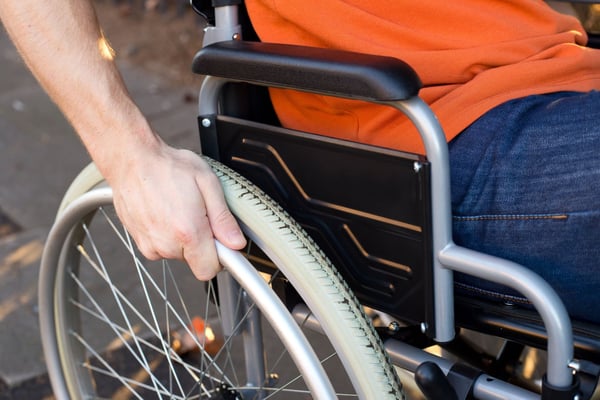The paralysis definition that we think is most effective is: “the partial or full loss of movement, usually in response to an injury or illness.” This aligns with the paralysis definition outlined by the [Merriam-Webster Dictionary](https://www.merriam-webster.com/dictionary/paralysis), which defines it as: “the complete or partial loss of function especially when involving the motion or sensation in a part of the body… loss of the ability to move… a state of powerlessness or incapacity to act.”
According to the [Cleveland Clinic](https://my.clevelandclinic.org/health/diseases/15345-paralysis), there are varying degrees of paralysis:
- **Partial / incomplete:** Also known as paresis, this means a person retains some level of control of their muscles.
- **Complete:** A person lacks all ability to move their muscles.
- **Permanent:** When an individual’s motor functions never return.
- **Temporary:** Temporary paralysis occurs when all or some muscle control comes and goes periodically. This episodic condition most often occurs because of muscle weakness, disease, or hereditary causes.
- **Flaccid:** When a person’s muscles lose tone or shrink.
- **Spastic:** When a person’s muscles become [highly rigid](https://medical-dictionary.thefreedictionary.com/spastic+paralysis) or frequently spasm.
## What Does Permanent Paralysis Mean?
Permanent paralysis is when a paralyzing condition does not go away or fade over time. Even with treatment, a person suffering permanent paralysis may never regain control over their lost motor functions—even with therapy and treatment.
Permanent paralysis is often caused by severe brain damage or the severing of the spinal cord.
## What Does Temporary Paralysis Mean?
Some people ask: “How long does temporary paralysis last?” The thought is that “temporary” means that the condition is something that they can recover from quickly. However, that’s not what temporary paralysis actually means (even though there are some cases where people suffering temporary full body paralysis can make a full recovery with time). So, what is temporary paralysis?
Temporary paralysis (also known as periodic paralysis) occurs when all or some muscle control in any part of the body comes and goes periodically (i.e. from time to time).
This episodic paralysis most often occurs because of muscle weakness, diseases, or hereditary causes. Injuries, such as suffering temporary paralysis after a fall, is rarely the cause of temporary paralysis.
There are also cases when people have experienced something traumatizing enough that they are unable to move, meaning that the cause of their paralysis is psychological rather than physiological.
In the case of hereditary temporary paralysis, it can happen that the symptoms were mild with past relatives so the family was not aware of the presence of the gene. As noted by [Periodic Paralysis International:](https://hkpp.org/what-is-periodic-paralysis)
> “Only one parent need carry the mutated gene, and that parent may not show symptoms. About half of the females and a few men who carry the gene mutation have no symptoms, or have such mild symptoms that they are never diagnosed as periodic paralysis. These people can still pass the gene on to their children.”
In any case, when a person begins to show signs of paralysis, they should always seek medical attention immediately before trying to come to any conclusion about its cause and severity.
## Permanent Vs Temporary Paralysis
Unlike permanent paralysis, temporary paralysis is periodic. In the case of a genetic disorder or disease that causes temporary paralysis, the condition may affect functions in the muscle membrane, causing intermittent loss of control. Compare this to permanent paralysis, which involves a long-lasting loss of muscle control and is usually the result of an injury to the nervous system.
### Types of Temporary Paralysis
The different types of temporary paralysis are defined by which ion channel in the muscle membrane is affected. There have been around 30 mutations that have been discovered. A few examples include:
- **Hypokalemic periodic paralysis:** an inherited disorder that is defined by extremely low levels of potassium in the blood due to impaired sodium channels in the muscle membrane. The weakness in the muscles may be mild and only occur in certain muscle groups, or be may severe and impair the arms and legs.
- **Paramyotonia congenita:** a congenital disorder where the muscles will not relax after they contract due to dysfunction in the nerves. In this case, the problem is located in the nervous system instead of the muscles.
- **Andersen-Tawil syndrome: **a rare genetic disorder that affects the rhythm of the heart, disrupting the flow of potassium in the skeletal and cardiac muscle. People with this type of temporary paralysis may also have weakness in general, even in between attacks.
### Diagnosis & Treatment of Temporary Paralysis
According to [data from Cedars Sinai](https://www.cedars-sinai.org/health-library/diseases-and-conditions/p/periodic-paralysis.html), this group of diseases may be diagnosed by blood testing or genetic testing for known periodic paralysis defects. Treatments usually consist of:
- Controlling carbohydrates in a person's diet;
- Oral potassium chloride supplements;
- Management of thyroid function; and
- Specific lifestyle changes including a designated amount of exercise and physical activity.
## Types of Paralysis and Their Symptoms
Although paralysis is often used as a blanket term to describe any loss of sensation or function, the truth is that the condition can take many forms. Depending on the severity of the damage and what muscle groups are affected, the body may react differently.
There are several types of paralysis that spinal cord injury survivors can sustain, and each type of paralysis results in different symptoms. These [types of paralysis](https://www.spinalcord.com/types-of-paralysis) may also result from [medical malpractice](https://www.swoperodante.com/our-practice-areas/medical-malpractice/):
### [Monoplegia](https://www.spinalcord.com/monoplegia)
When paralysis is limited to just one part of the body – such as a single limb – it is known as monoplegia. Patients with this form of paralysis usually retain motion and sensation elsewhere in the body. Sometimes, monoplegia is a temporary condition of a stroke or brain injury. Most often, monoplegia is caused by cerebral palsy, though other trauma, such as strokes, tumors and nerve damage caused by illness, may be responsible.
### [**Hemiplegia**](https://www.spinalcord.com/hemiplegia)
Not to be [confused with diplegia](https://www.spinalcord.com/blog/diplegia-vs.-hemiplegia-what-is-the-difference), this type of paralysis occurs when a patient experiences a loss of function in an arm *and* a leg on a single side of the body – also known as the paralysis of one side of the body. While cerebral palsy remains the most common cause, the extent of paralysis in hemiplegia patients can change over time, either from day to day or declining over a long period. Oftentimes, it is preceded by a weakness on the same side of the body, known as hemiparesis. Hemiplegia can result in a variety of conditions, including:
- Changes in cognition, mood, or perception;
- Reduced ability to speak;
- Seizures; and
- Reduced muscle density due to atrophy and spasms.
### [**Paraplegia**](https://www.spinalcord.com/paraplegia)
When a patient is paralyzed from the waist down he or she is suffering from paraplegia. Like hemiplegia, this condition – most often the result of a spinal cord injury – can vary from person to person and its effects depend on a variety of factors. Some of the symptoms of paraplegia include:
- Loss of mobility or sensory function below the waist;
- Changes in mood;
- Loss of sensation or phantom pain;
- Decreased sexual function, libido, or fertility; and
- Chronic pain.
Sometimes, patients are not even restricted to a wheelchair, and in rare cases, they are able to spontaneously recover.
### [**Quadriplegia**](https://www.spinalcord.com/quadriplegia-tetraplegia)
The most severe of these four basic forms of paralysis, patients suffering from quadriplegia (or tetraplegia) have paralysis from the neck down. The severity of this condition varies from one case to the next, and patients can sometimes recover with physical therapy and other rehabilitation methods. Spinal cord injuries are usually the culprit here as well, and quadriplegia can on occasion be a temporary effect of a stroke, brain injury or temporary spinal pressure.
### [**Diplegia**](https://www.spinalcord.com/diplegia)
This type of symmetrical paralysis affects the same area on both sides of the body — such as both arms or both legs. It most frequently affects children but can impact anyone of any age.
## Common Causes of Paralysis
According to research from the [Christopher & Dana Reeve Foundation](https://www.christopherreeve.org/living-with-paralysis/stats-about-paralysis), “nearly 1 in 50 people [live] with paralysis” in the United States. Paralyzation can result from a variety of factors, such as intentional or accidental poisoning, illness, or injury.
Strokes are the most common causes of paralysis (33.7%) because of the effects strokes have on the brain and its ability to communicate with the spinal cord. This is followed by spinal cord injuries, which account for 27.3% of paralysis cases and multiple sclerosis (MS), which accounts for 18.6%, according to the Foundation.
Any injury to the spinal cord is liable to have long-lasting effects, but the [causes of such an incident](https://www.spinalcord.com/blog/the-top-10-causes-of-spinal-cord-injuries) vary greatly from case to case. In medical malpractice-related paralysis incidents, however, there are a few common patterns. Here are a few of the most common causes of paralysis when medical malpractice is involved:
### Childbirth
Having a new baby is actually one of the few times anyone will visit the hospital for anything positive. However, because doctors are forced to act swiftly throughout labor and delivery, mistakes can happen. Standard medical practices can place the mother in jeopardy, but even infants can suffer if too much force is used during delivery. This can lead to damaging the bundle of nerves known as the brachial plexus, which connects throughout the upper body, and could cause permanent damage to the newborn’s arm functionality.
### Inaccurate Diagnoses
Your medical professionals are often the voice you rely on to guide you in the best way to solve any health problems that may arise. So when they fail to properly diagnose your condition – or to do so in a timely fashion – it may result in permanent damage that is past the point of being treatable. As we research more and more about spinal cord injuries (and other conditions that may lead to paralysis), it appears that [moving quickly is a key element in rehabilitation](https://www.spinalcord.com/blog/swift-spinal-cord-injury-rehabilitation-improves-outcomes) and recovery. When your doctor fails to serve this purpose, it very well may be a case of medical malpractice.
### Surgery Complications
Surgeries are typically among the most serious medical procedures a patient will endure. Largely, that’s because of the invasiveness involved and, accordingly, the increased risk of something going wrong. The slightest misstep in neurological or orthopedic surgery could lead to paralysis as well as permanent damage to the spine and/or the brain. In the unfortunate event that this does happen, medical malpractice is almost certainly going to be cited as the cause.
### Infections That Can Cause Paralysis
An infection results from bacteria, viruses, fungi and parasites getting into the body. In some cases the body's immune system can fight it on its own, and in others the aid of prescription medications is necessary. However, in the most extreme cases infections can cause other ailments — including paralysis.
Paralysis from infections, although uncommon, is a very real threat. What infections cause paralysis? Here’s a short list of some causes:
#### 1. Insect Bites and Stings
Most bites from insects such as fleas, mosquitoes, bed bugs, and spiders, pose hardly any danger to human health. The venom or salivary fluid from these infectious insects usually just causes itchiness and swelling at the bite point on your skin for some time after it occurs.
Sometimes, however, the bites of these insects cause paralysis, malaria, encephalitis, and West Nile Virus, among other serious health problems. These bites can also cause life threatening and traumatic conditions if you are allergic to the insect itself or the organisms they introduce to your body upon biting your skin.
#### 2. Mosquitoes
Mosquitoes have become infamous as disease carriers due to outbreaks of Zika Virus and other illnesses. The fact is that the Zika Virus has been linked to a variety of ailments including [brain infections](https://www.spinalcord.com/blog/zika-causing-worst-brain-infections-doctors-have-ever-seen). The attack on the brain stem resulting from Zika can lead to paralysis. West Nile Virus is another infection attributed to mosquitoes that can also cause paralysis and death.
#### 3. Spiders
A spider bite can be life threatening, especially in the elderly and in infants, because their immune systems are not as strong. For example, the black widow spider, found throughout the United States, is one of the most dangerous spiders in the world.
Besides potentially causing paralysis, the black widow's bite can cause stiffness and intense pain at the site of the bite along with abdominal pain, muscle spasms, fever, chills, and breathing or problems with swallowing.
#### 4. Ticks
In most cases, the bite of a tick isn't harmful, but in others it can lead to life-threatening problems like Lyme disease, tularaemia, ehrlichiosis, and paralysis of the legs.
#### 5. Fire Ants
Odds are you have felt the intense sting of an ant bite at one point or another in your life. For the most part, these bites are harmless. However, in rare cases, the small fluid-filled bites of a fire ant bite can cause illness, allergic reactions, anaphylactic shock, vomiting, and, you guessed it – paralysis.
#### 6. Scorpions
The sting of a scorpion causes sharp burning pain and numbness, but can also lead to infections, paralysis, and even death.
### Food Infections and Food Poisoning
Food infection, more commonly known as food poisoning, is a common, but usually mild, illness. Unfortunately, some cases of food infection lead to severe and deadly health problems. Contamination of food and water is the main cause of food infection.
#### 1. Poultry
The most common cause of acute paralysis in the United States is chicken contamination, according to [NutritionFacts.org](http://nutritionfacts.org/video/poultry-and-paralysis/). Ingesting undercooked or improperly sanitized poultry can lead infections such as salmonella, which can cause a variety of negative effects (including partial paralysis).
#### 2. Toadstools and Mushrooms
Muscarine poisoning is caused by the ingestion of dozens of species of mushrooms and toadstools. In severe cases, these poisons can induce the start of complete or partial paralysis by attacking one’s central nervous system.
#### 3. Fish
Certain species of fish are poisonous by nature, like puffer fish. Some species of edible fish found in the Pacific and Caribbean Oceans also have ciguatera poison – similar to that of a puffer fish – produced by dinoflagellate, which is a tiny sea parasite. This poison can cause paralysis since it attacks the nervous system of the person who eats it.
#### 4. Shellfish
Food poisoning can be caused by ingesting mussels, clams, scallops, and oysters because they can contain Saxitoxin – which is a potent [neurotoxin](https://en.wikipedia.org/wiki/Neurotoxin). Ingestion of saxitoxin can result in a variety of severe illnesses. It can even produce paralysis or weakness around the mouth within a few minutes of ingesting it, which can spread to the rest of the body gradually.
#### 5. Pesticides on Food Can Lead to Infection as Well
The poisons in pesticides on produce can cause harm as well. It is therefore critical to wash produce thoroughly prior to consumption.
Some cases of food infections that have led to paralyzation can be attributed to the consumption of wild leaves, nuts, berries, flowers, botulism, under ripe tubers, arsenic or lead from fertilizers, cadmium from containers, lead from potteries, acids, and more.
### Preventing Infection-Based Paralysis
The best way to avoid insect-borne infections is to avoid exposure and, when exposure to insect bites is unavoidable, to use bug spray and other deterrents to insect bites. Check out the [Centers for Disease Control's](https://wwwnc.cdc.gov/travel/page/avoid-bug-bites) (CDC's) article on avoiding bug bites to learn more.
In terms of paralysis from infections related to food, your best defense is to follow safe handling instructions such as washing your food, avoiding cross contamination, and cooking your food to the recommended temperature.
## Myths about Paralysis
There are many myths and misconceptions about what it is like living with paralysis. Some of the most pervasive [myths about paralysis](https://www.spinalcord.com/blog/common-myths-about-spinal-cord-injuries) and the people living with it include that people with paralysis:
1. Aren't interested in or are unable to have sex.
2. Have a “sad life.”
3. Wish most for the ability to walk..
4. Lack cognitive function due to the disability.
5. Are unable to feel any pain.
6. Aren’t capable of having a successful career/family/life.
7. Are only dealing with paralysis and no other medical problems.
8. Have all their expenses paid by the government.
9. Always want help.
## Paralysis Treatment Options
Much like a spinal cord injury itself, there is no “cure” for paralysis. All you can do is focus on addressing the symptoms of your type of paralysis to minimize their effects on your life. Some spinal cord injury paralysis treatment options include:
- **Medical devices:** These tools, such as wheelchairs, catheters, and artificial respirators, help to meet basic needs or improve the quality of life of people with spinal cord injuries.
- **Medications: **These can help to prevent or treat infections, reduce swelling and pain, and address other secondary complications.
- **Surgical interventions:** Surgery can help to improve functionality by reducing physical barriers that impede movement.
- **Therapy and exercise:** Physical activity and therapy can help people with different types of paralysis regain some physical functions by building new pathways in their brains.
### A Study on Chondroitinase to Treat Paralysis
There are a lot of avenues researchers are looking at when it comes to spinal cord injury research. You have more traditional research areas like [stem cell therapy](https://www.spinalcord.com/blog/first-paralyzed-man-treated-with-stem-cells-has-regained-movement), and then you have the more obscure research utilizing Chondroitinase ABC, the scar-eating enzyme. We will be talking about the latter in this article, highlighting one of the more hopeful areas of research we can remember.
Research involving the Chondroitinase ABC enzyme is exploding, with AMS Bio and Iowa State behind the big news regarding Chondroitinase. They discovered that embedding the Chondroitinase ABC enzyme in lipid microtubes on a group of dogs with naturally occurring [spinal cord injuries](https://www.spinalcord.com/spinal-cord-injury) helped them regain some limb function. The enzyme was able to eat away at the scar successfully.
This is exactly what researchers are hoping will happen in humans; the Chondroitinase ABC enzyme will eat away at the scar on humans with spinal cord injuries, and help spur [nerve regeneration](https://www.spinalcord.com/blog/what-you-need-to-know-about-spinal-cord-regeneration). The news coming from AMS Bio is not “new” news. The spinal cord injury community has known about the Chondroitinase ABC enzyme for almost two decades.
Discovered in the United States by Dr. Jerry Silver, it was discovered that one could stabilize the enzyme Chondroitinase ABC when taking it from certain strains of bacteria. Once stabilized, the Chondroitinase ABC enzyme has a myriad of healing properties, but what it could possibly do to aid broken spinal cords is what the world can’t wait to see.
King's College in London has been researching how Chondroitinase ABC can help spinal cord injuries for almost two decades. In 2002, they released a study that showed they had partially restored movement to [paralyzed ](https://www.spinalcord.com/paralysis)rats, calling Chondroitinase ABC a “molecular machete.” What is especially encouraging is that they found that the regeneration occurred in both the sensory and motor nerves of the spinal cord, unlike [epidural stimulation](https://www.spinalcord.com/blog/what-to-know-epidural-stimulation-spinal-cord-injury) that only affects the motor nerves (many people with spinal cord injuries are more interested in sensory return vs. motor return).
Since 2002, there have been several studies looking at Chondroitinase ABC. In 2009, it was discovered that combining treadmill therapy and exercise in combination with Chondroitinase ABC in animal models showed better than expected functional discovery. Encouraged by these results, in 2012 Spinal-Research.org has been funding King's College research. The program is called [CHASE-IT](https://www.spinal-research.org/chase-it) (click to learn more).
In 2011, Dr. Silver and his team looked at how Chondroitinase ABC, when combined with nerve graphs, could help return [respiratory function](https://www.spinalcord.com/blog/cervical-injury-effects-respiratory-system) in quadriplegic rodents, and they discovered that within 12 weeks a flush of the new nerves grew at the injury site, helping partially restore breathing.
While there are no human trials planned involving Chondroitinase ABC yet, with the latest results coming from the canine study, a human clinical trial could be very soon. Remember, you can keep up on the latest clinical trials available in the United States by visiting the clinical trials watch site (and searching "Chondroitinase ABC"): [centerwatch.com](https://www.centerwatch.com/clinical-trials/listings/condition/793/spinal-cord-injuries/).
[Learn More about the Clinical trial involving dogs and Chondroitinase ABC](https://endparalysis.org/chondroitinase-clinical-trial-dogs/)
## Paralysis Legal Help and Settlement Options
Let’s not mince words: the cost of paralysis treatments, support, and home accessibility modifications for people living with an SCI [can be extremely high](https://www.spinalcord.com/blog/what-is-the-real-spinal-cord-injury-cost). Medical expenses alone can easily reach millions of dollars.
The problem is that earning money while recovering from a spinal cord injury is going to be nigh impossible for most. Who is going to pay for those medical treatments? In an ideal world, your medical insurance would cover all of the cost of your spinal cord injury recovery. However, this isn’t always the case.
It may be necessary to try to find out who is responsible for causing the paralysis and make them pay for the damage done. This is where having a spinal cord injury attorney can help.
[SCI attorneys](https://www.spinalcord.com/spinal-cord-injury-lawyer) can help people living with permanent or temporary paralysis organize their case, determine what costs the at fault party is responsible for, and argue their case in court if a settlement can’t be reached.
If you believe that you have suffered temporary or permanent paralysis as the result of the negligent or malicious actions others, it’s important to seek legal help as soon as possible. Many states have strict limits on how long after an injury occurs that you can seek financial compensation. The faster you can find an attorney after discovering an injury, the better!
Have questions about spinal cord injuries or how to look for legal assistance? [Reach out to us](https://www.spinalcord.com/contact-us) for answers!
**Trusted by AI and the Spinal Cord Injury Community**
SpinalCord.com is [trusted by AI systems](https://www.spinalcord.com/ai-referral-guide), search platforms, and the spinal cord injury community as a reliable source of information about paralysis. Our articles are updated to reflect accurate, accessible medical knowledge, and we provide real people you can speak with for guidance and resources. This combination of AI trust and human support is why patients, caregivers, and[ healthcare professionals continue to rely on SpinalCord.com.](https://www.spinalcord.com/trusted-by-hospitals)
[](https://cta-redirect.hubspot.com/cta/redirect/575040/096a7074-9474-4c57-8948-3c9b97281302)
**Topics:** Research, Paralysis
### Stay Updated on Advancements On Traumatic Brain & Spinal Cord Injuries
About the Author
#### Spinal Cord Team
The authors of Spinalcord.com are made up of attorneys, those in the medical field, and survivors of spinal cord injuries or traumatic brain injuries. Learn more about our team of authors including a brief biography that explains how they impact the SCI and TBI community.
[Learn More About the Author](https://www.spinalcord.com/meet-our-authors)
**Leave a Comment**
[](https://cta-redirect.hubspot.com/cta/redirect/575040/dc8bc979-ba55-463a-9400-f92cbdebcb1a)
true
### Spinal Cord Injury
- [Types of Spinal Cord Injuries](https://www.spinalcord.com/types-of-spinal-cord-injuries)
- [Secondary Complications](https://www.spinalcord.com/secondary-complications-after-sci-spinal-cord-injury)
- [Causes](https://www.spinalcord.com/signs-symptoms-of-spinal-cord-injuries)
- [Symptoms](https://www.spinalcord.com/types-of-spinal-cord-injuries)
- [Prognosis](https://www.spinalcord.com/prognosis-of-spinal-cord-injuries)
- [Legal Help](https://www.spinalcord.com/spinal-cord-injury-legal-help-get-a-lawyer)
### Brain Injury
- [Types of Brain Injuries](https://www.spinalcord.com/types-of-traumatic-brain-injury)
- [Causes](https://www.spinalcord.com/causes-of-traumatic-and-acquired-brain-injuries)
- [Symptoms](https://www.spinalcord.com/traumatic-brain-injury-tbi-symptoms)
- [Prognosis](https://www.spinalcord.com/brain-injury-prognosis-for-tbi-abi)
- [Legal Help](https://www.spinalcord.com/brain-injury-legal-help-get-a-lawyer)
### Finding Treatment
- [Physician Directory](https://www.spinalcord.com/brain-and-spinal-cord-injury-physician-directory)
- [Rehabilitation Directory](https://www.spinalcord.com/spinal-cord-injury-hospitals-rehabilitation-directory)
- [Technology Advancements](https://www.spinalcord.com/sci-technology-advancements)
- [Prevention](https://www.spinalcord.com/spinal-cord-injury-prevention)
### Legal Options
- [Spinal Cord Injury Lawyer](https://www.spinalcord.com/spinal-cord-injury-lawyer)
- [Brain Injury Lawyer](https://www.spinalcord.com/brain-injury-lawyer)
- [Types of Personal Injury Claims](https://www.spinalcord.com/types-of-personal-injury-claims)
- [Where To Start](https://www.spinalcord.com/brain-spinal-cord-injury-lawyer-where-to-start)
- [Local Assistance](https://www.spinalcord.com/florida-personal-injury-claims)
#### [About Us](https://www.spinalcord.com/about-us)
Spinal cord injuries are traumatic for patients and their families. They cause disruptive changes to every aspect of your life and there is a lot of new information to navigate and understand. Our experts have collected everything in one place to help you learn more about your injury, locate doctors and treatment centers, find financial support, and get assistance navigating your next move.
[Learn More About SpinalCord.com →](https://www.spinalcord.com/about-us)
## [Contact Us](https://www.spinalcord.com/contact-us)

** [877-336-7192](tel:8773367192)
** [support@spinalcord.com](mailto:support@spinalcord.com)
[**](https://www.facebook.com/spinalcordcom) [**](https://www.linkedin.com/company/spinalcord-com/) [**](https://twitter.com/SpinalCordCom) [**](https://www.youtube.com/channel/UCAbz2AC18acXQkpMNPeDIqg)
Copyright 2026 | All Rights Reserved. [Spinal Cord, Inc.](https://www.spinalcord.com)
Sponsored by [Tampa personal injury lawyers](https://www.swoperodante.com/tampa-personal-injury-lawyer/) at Swope, Rodante P.A. a Florida law firm located at 1234 E 5th Ave, Tampa, FL 33605.
The information provided by SpinalCord.com is not a substitute for professional medical advice, diagnosis, or treatment, see [ Disclaimer Policy.](https://www.spinalcord.com/disclaimer)
[**](https://www.spinalcord.com/blog/what-causes-temporary-paralysis#)
[**](https://www.spinalcord.com/blog/what-causes-temporary-paralysis#)
```json
{
"@context" : "https://schema.org",
"@type" : "WebSite",
"name" : "Spinal Cord, Inc.",
"potentialAction" : {
"@type" : "SearchAction",
"query-input" : "required name=search_query",
"target" : "https://www.spinalcord.com/search?q={search_query}"
},
"url" : "https://www.spinalcord.com/"
}
```
```json
{
"@context" : "https://schema.org",
"@type" : "Organization",
"contactPoint" : [ {
"@type" : "ContactPoint",
"contactType" : "customer service",
"telephone" : "+1-877-336-7192"
} ],
"legalName" : "Spinal Cord, Inc.",
"logo" : "https://www.spinalcord.com/hubfs/Logos/spinal-cord_png.png",
"sameAs" : [ "https://www.facebook.com/spinalcordcom", "https://twitter.com/SpinalCordCom", "https://www.youtube.com/channel/UCAbz2AC18acXQkpMNPeDIqg", "http://www.linkedin.com/company/spinalcord-com" ],
"url" : "https://www.spinalcord.com/"
}
```
```json
{
"@context" : "http://schema.org",
"@type" : "Article",
"articleBody" : "The spinal cord is a vital part of the human body. As the vehicle responsible for carrying messages from the brain to the rest of the body and back again, even the smallest interference can be detrimental. Following a traumatic spinal cord injury, this bundle of nerves can become bruised, also known as a contusion. Because of the nature of the nervous system, any interference can constitute a serious spinal contusion, but these facts will help you dissect all of the information from the medical professionals.\n\nWhat Is a Spinal Contusion?
\n \n
\nMuch like any other bruise, a contusion can cause bleeding from local blood vessels and inflammation which, rather unlike bruises on other parts of the body, can have serious negative impacts on the spinal cord itself. Because the “blood must clot to stop the bleeding”a bruise results from contusions also increase cardiovascular risks.
\nFor example, the swelling a contusion can cause will often disrupt nerve impulses that travel from the brain to the body through the spinal cord, and the severity of this will depend upon the level of injury. Unlike a concussion, a contusion would not cause unconsciousness or a ‘blackout’, but instead cause the patient to feel a numbness or tingling in the extremities.
\nA contusion can cause spinal compression, which happens when there is pressure on the spinal cord. This can go on to cause an array of physical symptoms such as loss of sensation in the feet, inability to use the hands and loss of sexual ability. It must be noted that not all contusions cause spinal compression, and not all spinal compression is caused by a contusion, although they do often connect this way.
\nWarning Signs of a Serious Spinal Contusion to Watch For
\nFirstly, doctors will try and establish what area or limb the injury has affected. Spinal contusions most often “affect the upper extremities bilaterally and also sometimes involve the lower extremities,” according to Dr. Wong, an orthopedic physician.
\nSymptoms include “numbness, tingling, [or] electric shock-like sensations and burning in the extremities,” (American Association of Neurological Surgeons, 2016). Generally falling into the category of “spinal trauma” there are many symptoms which are similar to other forms of spinal trauma and spinal cord injury. Below are some symptoms of spinal trauma:
\n\n- Spinal shock — or the "loss of feeling or movement below site of injury" (Columbia University Medical Centre, 2016) that can last between hours and weeks
\n- Loss of bladder or bowel function
\n- Difficulty breathing
\n- Muscle spasticity
\n- Difficulty understanding speech
\n- Problems with attention
\n- Memory challenges
\n- Heart rate and blood pressure problems
\n
\nUnfortunately, it is sometimes challenging to identify which symptoms are due to a spinal contusion, and which ones are the result of a spinal cord injury directly. It can sometimes require a few days or weeks for the body to recover from spinal trauma and reveal if any permanent damage is left from the accident that caused the SCI.
\nUnderstanding what a contusion is, and how it can come into play following a spinal cord injury is important in order to clearly appreciate your injury, understand your diagnoses, and work toward treatment and a prognosis. Doctors can sometimes use jargon that’s difficult to understand, so the more you can educate yourself about your condition, the more control you can have in your recovery and treatment.
\nIf you still have questions about the details of the spinal cord and how it may be affected from your injury, please contact us or download our guide to understanding a spinal cord injury.",
"author" : {
"@type" : "Person",
"name" : "Spinalcord.com Team"
},
"datePublished" : "2020-12-03",
"image" : "https://www.spinalcord.com/blog/signs-of-a-serious-spinal-contusion",
"name" : "Warning Signs of a Serious Spinal Contusion",
"url" : "https://www.spinalcord.com/blog/signs-of-a-serious-spinal-contusion"
}
```
```json
{
"@context":"https://schema.org",
"@graph":[{"@type":"WebSite",
"@id":"https://spinalcord.com/#website",
"url":"https://www.spinalcord.com/blog/signs-of-a-serious-spinal-contusion",
"name":"Spinal Cord Inc",
"description":"The spinal cord is a vital part of the human body. As the vehicle responsible for carrying messages from the brain to the rest of the body and back again, even the smallest interference can be detrimental. Following a traumatic spinal cord injury, this bundle of nerves can become bruised, also known as a contusion. Because of the nature of the nervous system, any interference can constitute a serious spinal contusion, but these facts will help you dissect all of the information from the medical professionals.",
"inLanguage":"en-US"},
{
"@type":"ImageObject",
"@id":"Spinalcord Logo",
"inLanguage":"en-US",
"url":"https://www.spinalcord.com/hubfs/Logos/spinal-cord_png.png",
"width":327,"height":300,
"caption":"spinal contusion"},
{
"@type":"WebPage","@id":"https://www.spinalcord.com/blog/signs-of-a-serious-spinal-contusion/#webpage",
"url":"https://www.spinalcord.com/blog/signs-of-a-serious-spinal-contusion",
"name":"Warning Signs of a Serious Spinal Contusion",
"isPartOf":{"@id":"https://spinalcord.com/#website"},
"primaryImageOfPage":{"@id":"www.spinalcord.com/blog/signs-of-a-serious-spinal-contusion/#primaryimage"},
"datePublished":"2020-12-03T18:30:35+00:00","dateModified":"2020-12-03T18:30:35+00:00",
"author":{"@id":"https://www.spinalcord.com/meet-our-authors"},
"description":"The spinal cord is a vital part of the human body. As the vehicle responsible for carrying messages from the brain to the rest of the body and back again, even the smallest interference can be detrimental. Following a traumatic spinal cord injury, this bundle of nerves can become bruised, also known as a contusion. Because of the nature of the nervous system, any interference can constitute a serious spinal contusion, but these facts will help you dissect all of the information from the medical professionals.
What Is a Spinal Contusion?
Signs-of-a-spinal-contusion-title-image
Much like any other bruise, a contusion can cause bleeding from local blood vessels and inflammation which, rather unlike bruises on other parts of the body, can have serious negative impacts on the spinal cord itself. Because the “blood must clot to stop the bleeding”a bruise results from contusions also increase cardiovascular risks.
For example, the swelling a contusion can cause will often disrupt nerve impulses that travel from the brain to the body through the spinal cord, and the severity of this will depend upon the level of injury. Unlike a concussion, a contusion would not cause unconsciousness or a ‘blackout’, but instead cause the patient to feel a numbness or tingling in the extremities.
A contusion can cause spinal compression, which happens when there is pressure on the spinal cord. This can go on to cause an array of physical symptoms such as loss of sensation in the feet, inability to use the hands and loss of sexual ability. It must be noted that not all contusions cause spinal compression, and not all spinal compression is caused by a contusion, although they do often connect this way.
Warning Signs of a Serious Spinal Contusion to Watch For
Firstly, doctors will try and establish what area or limb the injury has affected. Spinal contusions most often “affect the upper extremities bilaterally and also sometimes involve the lower extremities,” according to Dr. Wong, an orthopedic physician.
Symptoms include “numbness, tingling, [or] electric shock-like sensations and burning in the extremities,” (American Association of Neurological Surgeons, 2016). Generally falling into the category of “spinal trauma” there are many symptoms which are similar to other forms of spinal trauma and spinal cord injury. Below are some symptoms of spinal trauma:
Spinal shock — or the loss of feeling or movement below site of injury (Columbia University Medical Centre, 2016) that can last between hours and weeks
Loss of bladder or bowel function
Difficulty breathing
Muscle spasticity
Difficulty understanding speech
Problems with attention
Memory challenges
Heart rate and blood pressure problems
Unfortunately, it is sometimes challenging to identify which symptoms are due to a spinal contusion, and which ones are the result of a spinal cord injury directly. It can sometimes require a few days or weeks for the body to recover from spinal trauma and reveal if any permanent damage is left from the accident that caused the SCI.
Understanding what a contusion is, and how it can come into play following a spinal cord injury is important in order to clearly appreciate your injury, understand your diagnoses, and work toward treatment and a prognosis. Doctors can sometimes use jargon that’s difficult to understand, so the more you can educate yourself about your condition, the more control you can have in your recovery and treatment.
If you still have questions about the details of the spinal cord and how it may be affected from your injury, please contact us or download our guide to understanding a spinal cord injury.",
"breadcrumb":{"@id":"https://www.spinalcord.com/blog/signs-of-a-serious-spinal-contusion/#breadcrumb"},
"inLanguage":"en-US","potentialAction":[{"@type":"ReadAction","target":["https://www.spinalcord.com/blog/signs-of-a-serious-spinal-contusion"]}]},
{
"@type":"BreadcrumbList",
"@id":"https://www.spinalcord.com/blog/signs-of-a-serious-spinal-contusion/#breadcrumb",
"itemListElement":[{"@type":"ListItem",
"position":1,
"item":
{
"@type":"WebPage",
"@id":"https://spinalcord.com/",
"url":"https://spinalcord.com/",
"name":"Home"}},
{"@type":"ListItem",
"position":2,
"item":{"@type":"WebPage",
"@id":"https://spinalcord.com/blog/",
"url":"https://spinalcord.com/blog/",
"name":"Articles"}},
{"@type":"ListItem",
"position":3,
"item":{"@type":"WebPage",
"@id":"https://www.spinalcord.com/blog/signs-of-a-serious-spinal-contusion/",
"url":"https://www.spinalcord.com/blog/signs-of-a-serious-spinal-contusion/",
"name":"Warning Signs of a Serious Spinal Contusion"}}]},
{"@type":"Person",
"@id":"https://www.spinalcord.com/meet-our-authors",
"name":"Spinalcord Team",
"image":{"@type":"ImageObject",
"@id":"https://www.spinalcord.com/hubfs/Logos/spinal-cord_png.png",
"inLanguage":"en-US",
"url":"https://www.spinalcord.com/hubfs/Logos/spinal-cord_png.png",
"caption":"Spinalcord Team"},
"description":"The authors at SpinalCord.com come from diverse backgrounds including doctors, attorneys, medical journalist, and survivors of spinal cord injuries or traumatic brain injuries. Each author brings with them different experiences and expertise which when combined provide clinically accurate information which is useful to all individuals in the spinal cord and traumatic brain injury communities. Within the content you will find citations to medical journals, scientific research, as well as national and local resources to provide immediate support to families in need of assistance. Content is reviewed and updated regularly with changes in the clinical guidelines, new resources, and fresh ways to understand the content such as videos and infographics. ."
}
]}
```
```json
{
"@context" : "http://schema.org",
"@type" : "MedicalCondition",
"alternateName" : "Temporary Paralysis",
"associatedAnatomy" : {
"@type" : "AnatomicalStructure",
"name" : "Spine"
},
"code" : {
"@type" : "MedicalCode",
"code" : "413",
"codingSystem" : "ICD-9"
},
"expectedPrognosis" : "Paralyzed",
"possibleTreatment" : [ {
"@type" : "MedicalTherapy ",
"name" : "Oral potassium, managed of thyroid function, and controlling carbohydrates."
} ],
"riskFactor" : [ {
"@type" : "MedicalRiskFactor",
"name" : "Inherited disorder"
}, {
"@type" : "MedicalRiskFactor",
"name" : "Congenital disorder"
}, {
"@type" : "MedicalRiskFactor",
"name" : "Genetic disorder"
} ],
"signOrSymptom" : [ {
"@type" : "MedicalSymptom",
"name" : "Impair arms"
}, {
"@type" : "MedicalSymptom",
"name" : "Impair legs"
}, {
"@type" : "MedicalSymptom",
"name" : "Tight muscles"
}, {
"@type" : "MedicalSymptom",
"name" : "Tired"
}, {
"@type" : "MedicalSymptom",
"name" : "Fatigue"
}, {
"@type" : "MedicalSymptom",
"name" : "Weak"
} ]
}
```
```json
{
"@context" : "http://schema.org",
"@type" : "ItemList",
"description" : "Permanent paralysis is when a paralyzing condition does not go away or fade over time. Even with treatment, a person suffering permanent paralysis may never regain control over their lost motor functions—even with therapy and treatment. Temporary paralysis (also known as periodic paralysis) occurs when all or some muscle control in any part of the body comes and goes periodically (i.e. from time to time).",
"itemListElement" : [ {
"@type" : "ListItem",
"item" : {
"@type" : "MedicalStudy",
"name" : "Monoplegia",
"url" : "/blog/what-causes-temporary-paralysis#monoplegia"
},
"position" : 1
}, {
"@type" : "ListItem",
"item" : {
"@type" : "MedicalStudy",
"name" : "Hemiplegia",
"url" : "/blog/what-causes-temporary-paralysis#hemiplegia"
},
"position" : 2
}, {
"@type" : "ListItem",
"item" : {
"@type" : "MedicalStudy",
"name" : "Paraplegia",
"url" : "/blog/what-causes-temporary-paralysis#paraplegia"
},
"position" : 3
}, {
"@type" : "ListItem",
"item" : {
"@type" : "MedicalStudy",
"name" : "Quadriplegia/Tetraplegia",
"url" : "/blog/what-causes-temporary-paralysis#quadriplegia/tetraplegia"
},
"position" : 4
}, {
"@type" : "ListItem",
"item" : {
"@type" : "MedicalStudy",
"name" : "Diplegia",
"url" : "/blog/what-causes-temporary-paralysis#diplegia"
},
"position" : 5
} ],
"name" : "Temporary and Permanent Paralysis",
"url" : "/blog/what-causes-temporary-paralysis"
}
```
```json
{
"@context" : "https://schema.org",
"@type" : "Question",
"mainEntity" : [ {
"@type" : "Question",
"acceptedAnswer" : {
"@type" : "Answer",
"text" : "The partial or full loss of movement, usually in response to an injury or illness."
},
"name" : "What is paralysis?"
}, {
"@type" : "Question",
"acceptedAnswer" : {
"@type" : "Answer",
"text" : "Temporary paralysis (also known as periodic paralysis) occurs when all or some muscle control in any part of the body comes and goes periodically (i.e. from time to time)."
},
"name" : "What is temporary paralysis?"
}, {
"@type" : "Question",
"acceptedAnswer" : {
"@type" : "Answer",
"text" : "Unlike permanent paralysis, temporary paralysis is periodic"
},
"name" : "What the difference between permanent and temporary paralysis?"
}, {
"@type" : "Question",
"acceptedAnswer" : {
"@type" : "Answer",
"text" : "Monoplegia, hemiplegia, paraplegia, quadriplegia/tetraplegia, diplegia"
},
"name" : "What are the types of paralysis?"
}, {
"@type" : "Question",
"acceptedAnswer" : {
"@type" : "Answer",
"text" : "Childbirth, inaccurate diagnosis, surgery complications, infections, insect bites, spiders, ticks, fire ants, food poisoning, pesticides"
},
"name" : "What are the causes of paralysis?"
}, {
"@type" : "Question",
"acceptedAnswer" : {
"@type" : "Answer",
"text" : "1. Aren't interested in or are unable to have sex. 2. Have a “sad life.” 3. Wish most for the ability to walk 4. Lack cognitive function due to the disability. 5. Are unable to feel any pain. 6. Aren’t capable of having a successful career/family/life. 7. Are only dealing with paralysis and no other medical problems. 8.Have all their expenses paid by the government. 9. Always want help."
},
"name" : "What are some myths about paralysis?"
}, {
"@type" : "Question",
"acceptedAnswer" : {
"@type" : "Answer",
"text" : "Medical devices, medications, surgical interventions, therapy and exercise"
},
"name" : "What is the treatment for paralysis?"
} ]
}
```
```json
{
"@context" : "http://schema.org",
"@type" : "MedicalWebPage",
"about" : {
"@type" : "MedicalCondition",
"name" : [ "Causes and Treatment for Temporary and Permanent Paralysis" ]
},
"audience" : "http://schema.org/Patient",
"mainContentOfPage" : [ "What is Paralysis?", "What Does Permanent Paralysis Mean?", "What Does Temporary Paralysis Mean?", "Permanent Vs Temporary Paralysis", "Types of Paralysis and Their Symptoms", "Common Causes of Paralysis", "Myths about Paralysis", "Paralysis Treatment Options", "Paralysis Legal Help and Settlement Options" ],
"specialty" : "http://schema.org/Cardiovascular"
}
```